
Tea is not just a drink but also a part of the Nepalese hospitality culture. It’s a conversation starter and an easy-to-serve beverage to welcome guests. It depends on the taste of guest to decide the host on what type of tea should be served. While most of the Nepalese are fond of milk tea, some prefer that of without sugar and whitener. Moreover, because of the health consciousness, popularity of green tea is also soaring. It is worthwhile mentioning that more than thousand types and forms of tea are consumed worldwide.
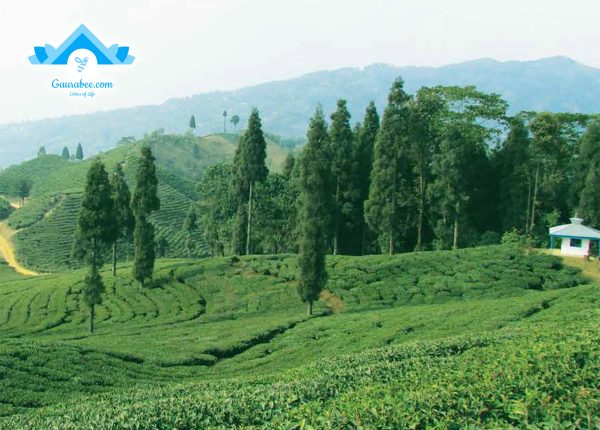
Geographically, tea in Nepal is produced in two topographic regions – hills and plains. While Chinese-type bush is cultivated chiefly in the hills, Assam-type varieties are prevalent in the plains of Jhapa. Moreover, CTC (Crush-Tea-Curl) tea, served with milk, is dominant in the industries of plains whereas tea in the hills are processed by orthodox technology, which is generally consumed without sugar and milk. Green tea, which is in the growing trend, is also processed by orthodox way. Although the tea bush is almost similar, the difference in type of tea produced is principally influenced by the processing methods and the time given to ferment.
Tea is among the few agricultural products of Nepal, which is produced beyond the quantity that can be consumed by the domestic market. Nepalese Tea industries cater to the inland market which accounts to around 55 % of the total production. Rest 45% of the surplus production has to be exported abroad. India, being our key trading partner, imports more than 90% of the tea exported by Nepal. Although organic orthodox tea has found leeway to Europe and other third countries, CTC tea is still struggling to show its presence beyond India. Ironically, Nepalese tea traders are putting their efforts to sell in India which is itself the second largest producer of tea in the world, after China. The push sales are often cumbersome and the price of Nepal Tea is often not realized in the way that is really deserved.
According to the statistics of National Tea & Coffee Development Board (NTCDB), 24,118 MT of tea was produced in the fiscal year 2019/20, of which 11,185 MT was exported in the same year. Taking a closer look on the data released by Department of Customs, it is interesting to observe that 10,816 MT of tea was exported to India only at the average price of 230Rs/kg while the price is much higher – more than 1500 Rs/kg in the countries like Germany. At the same time, it should also be noted that the export of tea to India is primarily CTC, while the premium orthodox tea dominates that of the third countries.
In order to increase the value of tea, it’s high time Nepalese tea producers change the business and production strategy. There can be two approaches to change the game. First, explore market beyond India; and second, diversify the existing tea products. Since finding the alternative market is a long process and often requires bilateral agreement between the countries, second option of product diversification can be done much faster and efficiently. Orthodox tea of hills has gone through remarkable product diversification which ranges from Silver tips to Pearl tea to Oolong tea. However, same endeavors have not been perceived for tea in the plains which is primarily targeted for domestic and Indian markets.
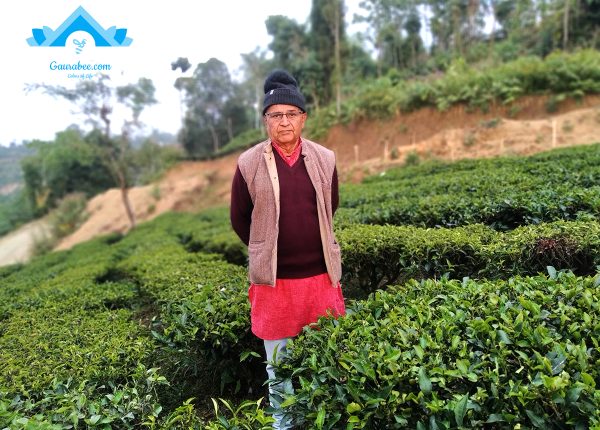
In an attempt to diversify the products of tea in the plains, recently, four tea processing units in Jhapa has switched their production to orthodox technology. Instead of CTC tea, it’s quite unconventional for the industries in Jhapa to produce green tea and black orthodox tea. Although result is yet to be stabilized, it is noteworthy to observe the impact of paradigm shift on the farmers, for the premium price they are getting for green leaves which serves as the raw materials. Tea farmers supplying leaves to the orthodox tea factories in Jhapa are currently paid as high as 45Rs/kg of leaves when there was time they used to be paid as low as 7 Rs/kg while selling it to the CTC tea factory some time ago. Furthermore, the green tea of Jhapa is also getting nice response and sold in better prices than that of CTC.
Besides drinking tea, there’s another unconventional way of consuming tea. In Myanmar, Lahpet – a pickle tea is an important element in Burmese cuisine, which is unique to the region. It’s a signature food in the country which is served at family gathering, monasteries and in festive celebrations, regardless of the race and religion. Tea leaves are picked delicately and fermented to prepare the traditional cuisine of Lahpet. Its production process is somewhat similar to the way gundruk is prepared in Nepal, except for the drying part. If not in large scale, innovative Nepalese entrepreneurs and foodies can trial the production of pickle tea. This could be a game changer in the tea industry of Nepal in order to diversify the consumption pattern.
Conventionally, leaves are primarily accepted as the economic part of the tea bush. However, very little is discussed or known about the seeds of tea in Nepalese context. While leaves are harvested regularly, seeds are largely neglected and not even considered a byproduct. Tea seeds can be processed to extract oil which contains high amount of Oleic acid. Also known as Camelia oil or Tea nut oil, it has been traditionally used as a cooking oil in Hunan province of China. Besides other aesthetic uses, tea seed oil cake or powder can be used as a natural pesticides and organic manures. This aspect of tea is yet to be explored in our context.
Moreover, there are evidences of tea being used as a medicinal herb. Modern science has discovered the presence of polyphenols like catechins and theaflavin which have various health benefits. Tea is used as a raw material of drugs to treat or serve as protectives against chronic diseases like cancer, diabetes, neurological and cardiovascular diseases. Besides medicinal use, various cosmetics and skin care products are based on tea extracts. China-made Green tea shampoo, which is giving a fierce competition to the mainstream brands, is a perfect example to prove that tea doesn’t serve as a beverage only.
The world market price of tea has been steady over last few years because of the stagnation in global supply. Amid stable price and soaring cost of production, exploring alternative uses of tea has become crucial in order to keep up with the farm income of Nepalese tea estates, at least for its regular maintenance. In order to save the industry, it’s high time we adopt approaches of product diversification and use tea not just as a beverage; rather in other “unusual” ways like cosmetics, medics, food additives and so on. Although there lie challenges in adopting new technology for these alternative uses of tea, the industry should at least give a try in exploring one of these available choices for the sustainable future of tea industry in the country.