
At the age of shopping malls and complex, the idea of haat bazaar could be an archaic concept. It has been the trading place since the dawn of economy in the Indian subcontinent; especially in Nepal, India and Bangladesh. With the establishment of urban centers and marketplaces what operate 24/7, several haat bazaars have already become extinct in Nepal and beyond. However, such weekly markets have not lost its significance in the eastern region of Nepal.
The importance of haat bazaar in Eastern Nepal can be realised when we take a closer look at the names of some places there. Place names are derived from the day-name of a week in Nepali calendar. For instance, Aaitabare – derived from Aaitabar (Sunday), Sombarey – derived from Sombar (Monday), Mangalbarey – derived from Mangalbar (Tuesday), Budhabarey – derived from Budhabar (Wednesday), Bihibarey – derived from Bihibar (Thursday), Shukrabarey – derived from Shukrabar (Friday) and Shanischarey – derived from Sanibar (Saturday). The places are called so based on which day of the week the haat bazaar is opened. Although there’s no more haat in some of these places, the name stayed.
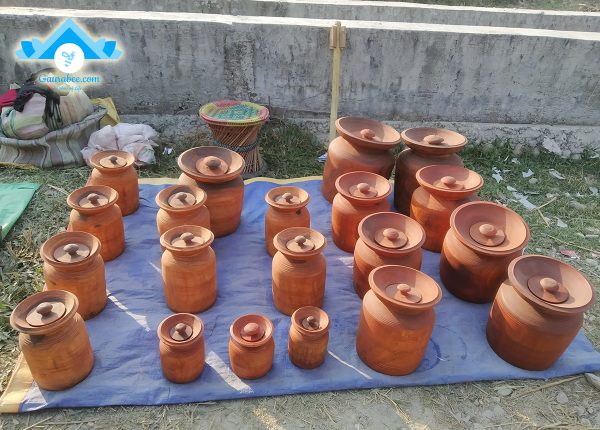
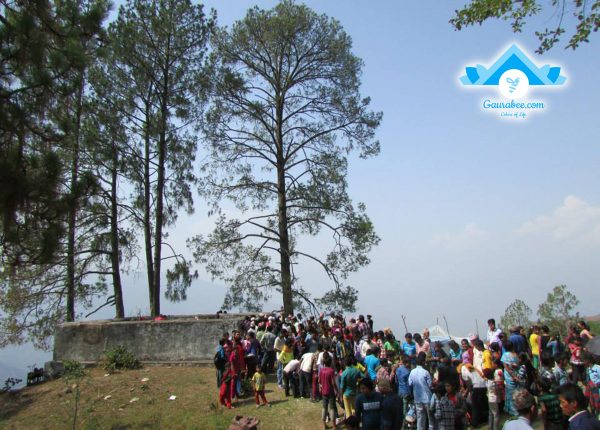
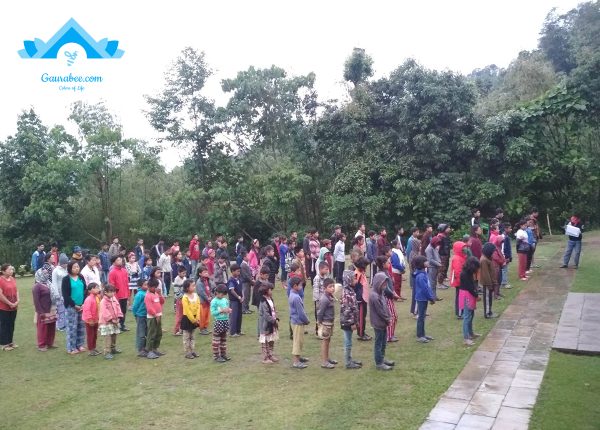
Have a look at some of the pictures in one of the Haat bazaar in Jhapa, Nepal. These photos are taken at Charaali where market opens in Sunday.